

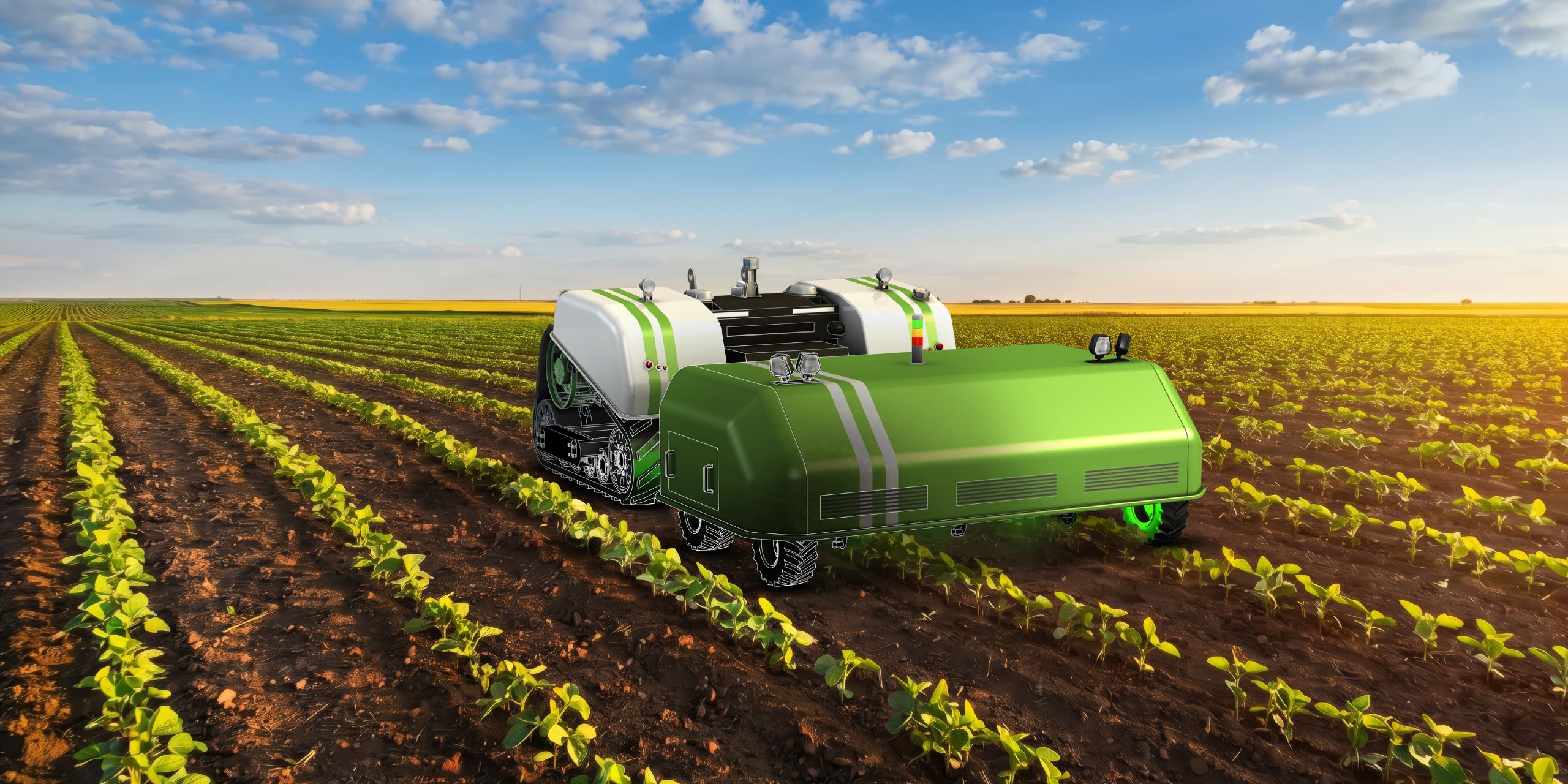
Agro-sensors for efficiency and sustainability
Sensors ensure reliable performance under unpredictable conditions.
Perform under variable circumstances.
As a machine builder in agrotechnology, you work in constantly changing environments. Light, crops, soil, and weather conditions-they're never the same. It's a challenge to ensure your machine performs consistently. And sensors often become unreliable under these conditions. You're looking for robust solutions that can work outdoors and are easy to integrate.

Robust in challenging conditions
Sensors that continue to function in mud, dust, rain, and variable lighting conditions.

Adaptive detection
Detection solutions that flexibly handle variations in crops, animals, and terrain.
Increased uptime
Reliable sensing reduces downtime during critical seasonal periods.
Efficient use of resources
Precision sensing supports optimization of water, fertilizers, and crop yield.
Integration in mobile systems
Solutions tailored to limited space, energy use, and dynamic platforms.
Sectors within Agrotechnology
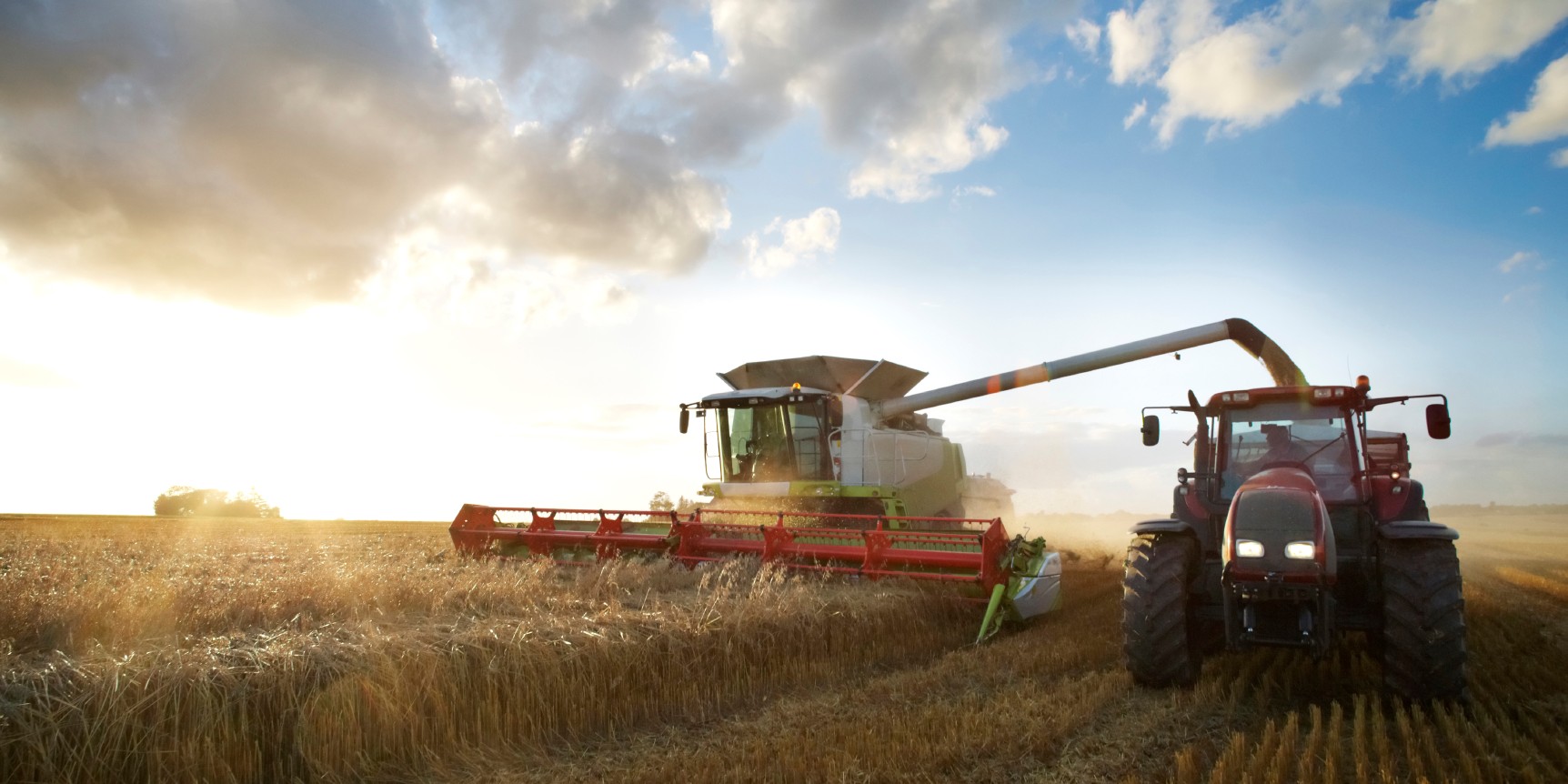
Open Cultivation & Precision Agriculture
Reliable performance in open fields
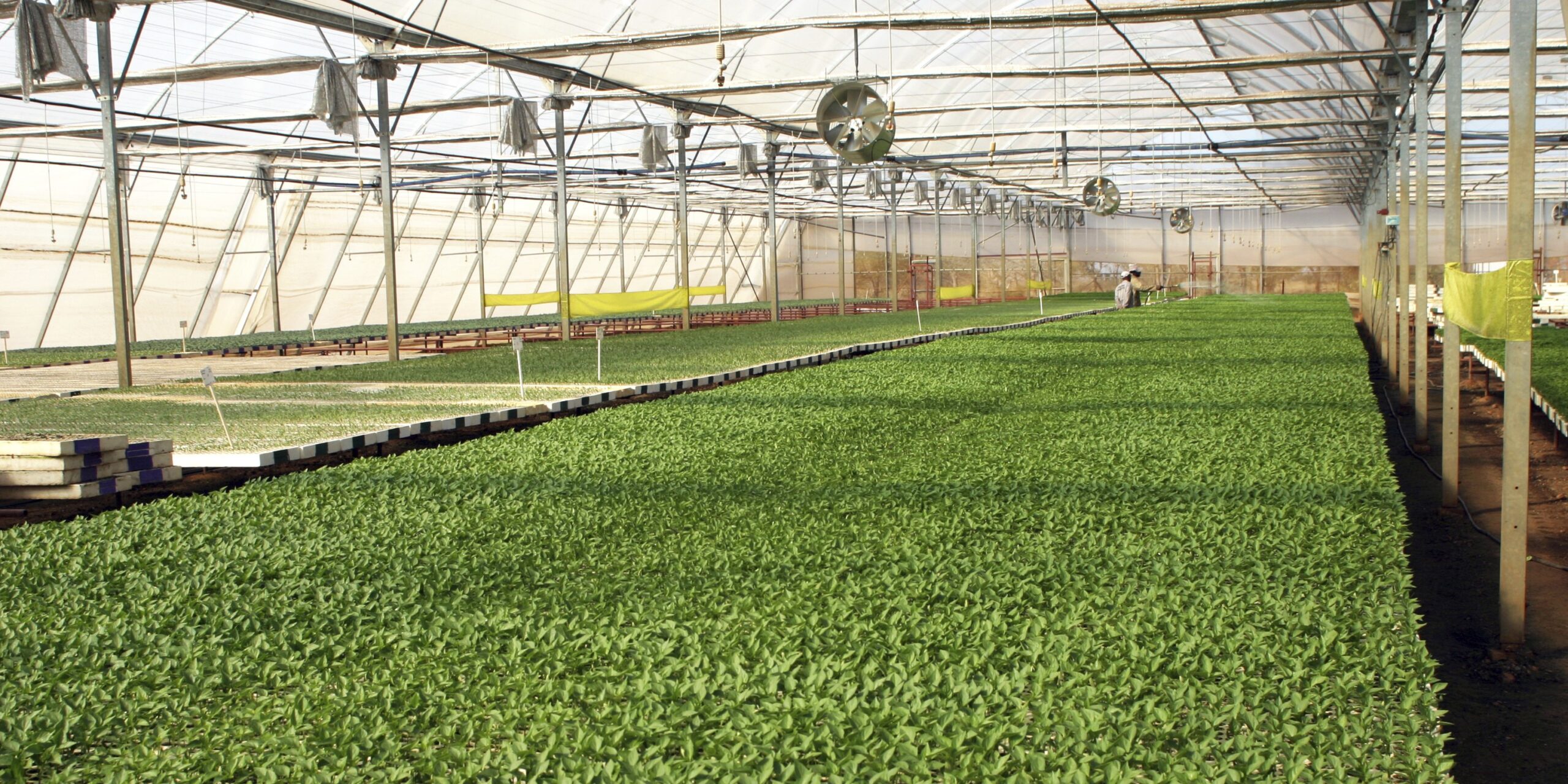
Cash registers & Controlled environments
Optimal growth through controlled conditions
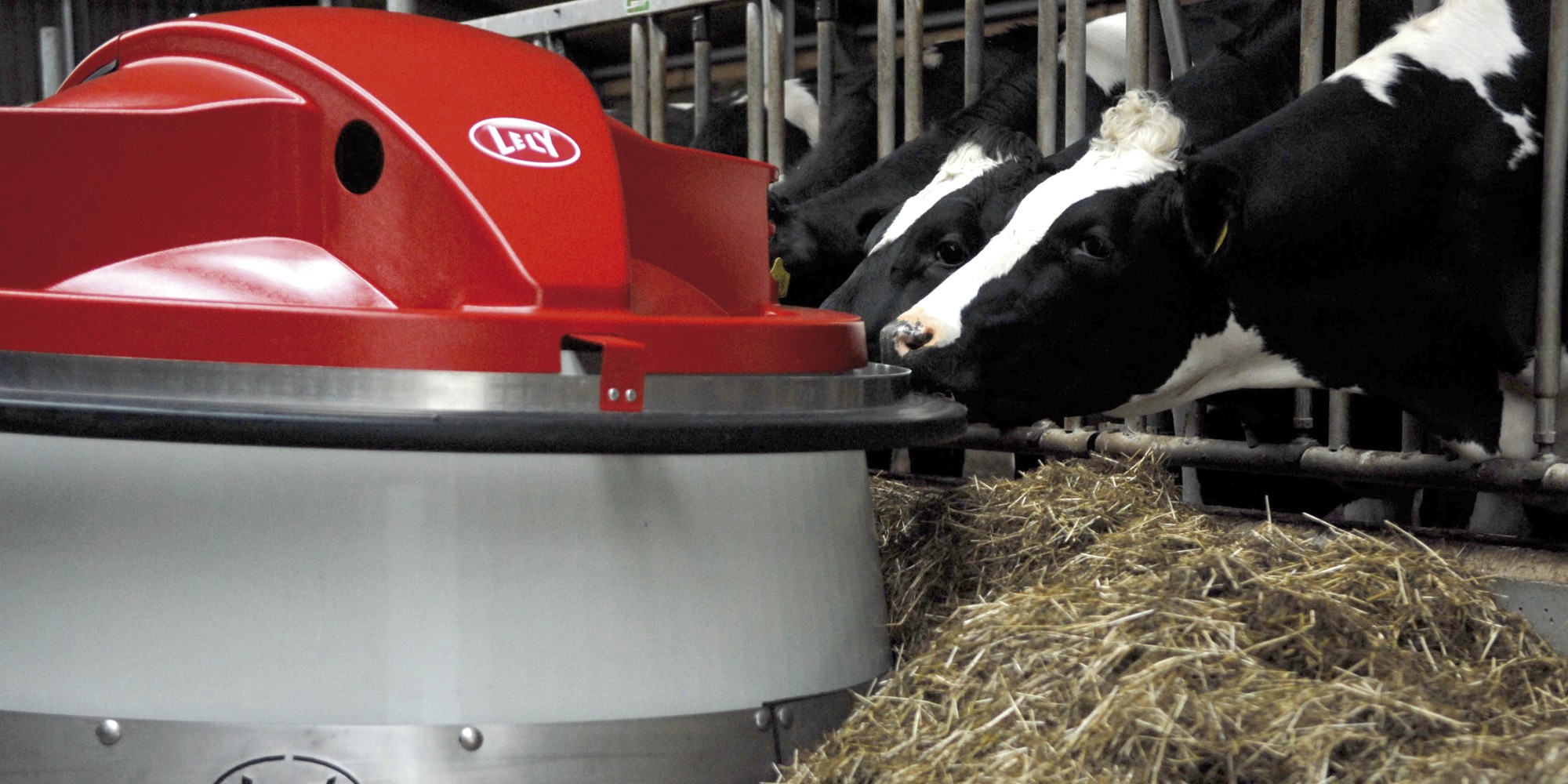
Livestock farming & stable automation
Efficient and reliable animal care
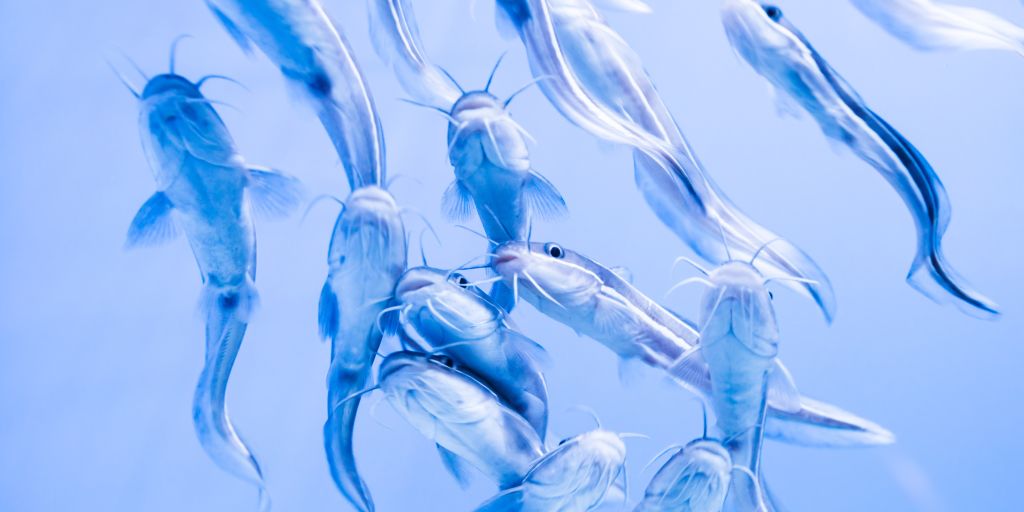
Aquatech
Control and monitoring in aquatic systems
Sensor solutions
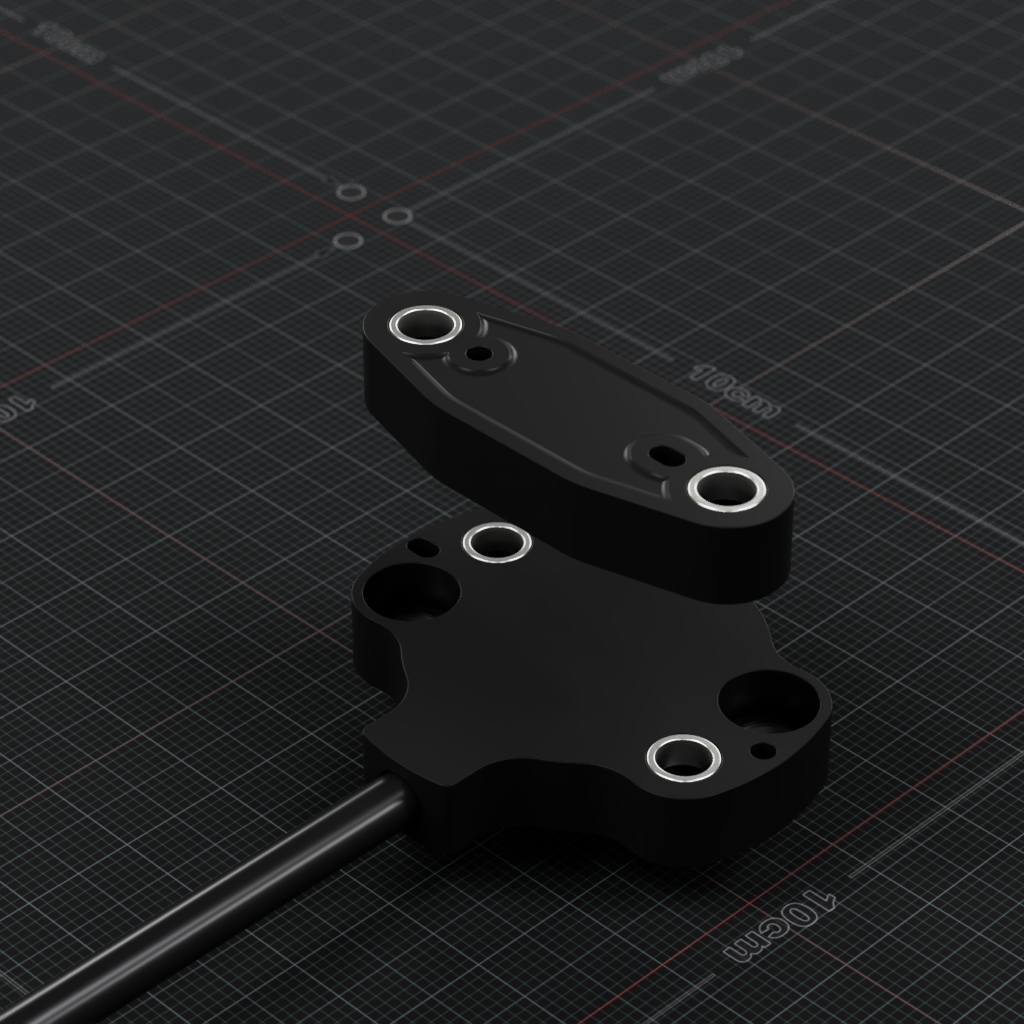
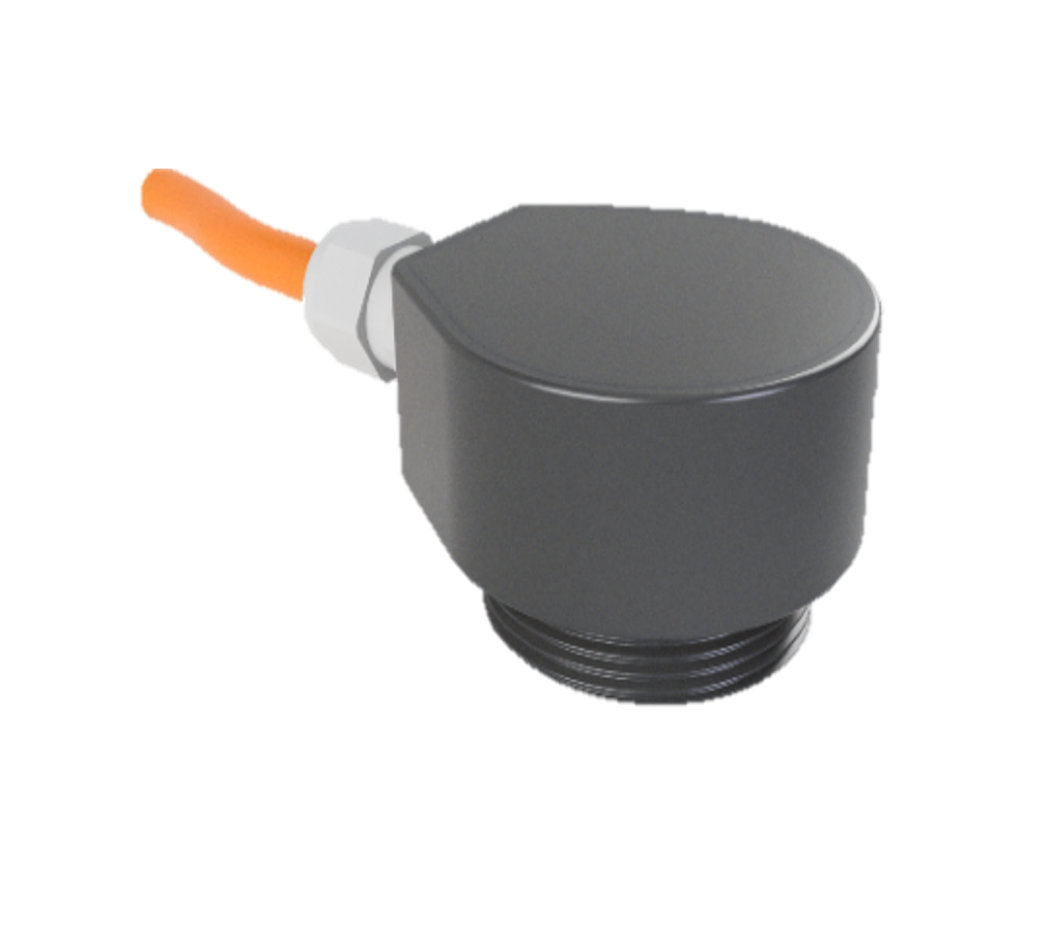
Angle sensor for agricultural application
Robust angle measurement up to 12 bits based on Hall effect sensor
Extreme environmental conditions, such as dust, water, salts, and chemicals, require reliable packaging for a Hall effect sensor.
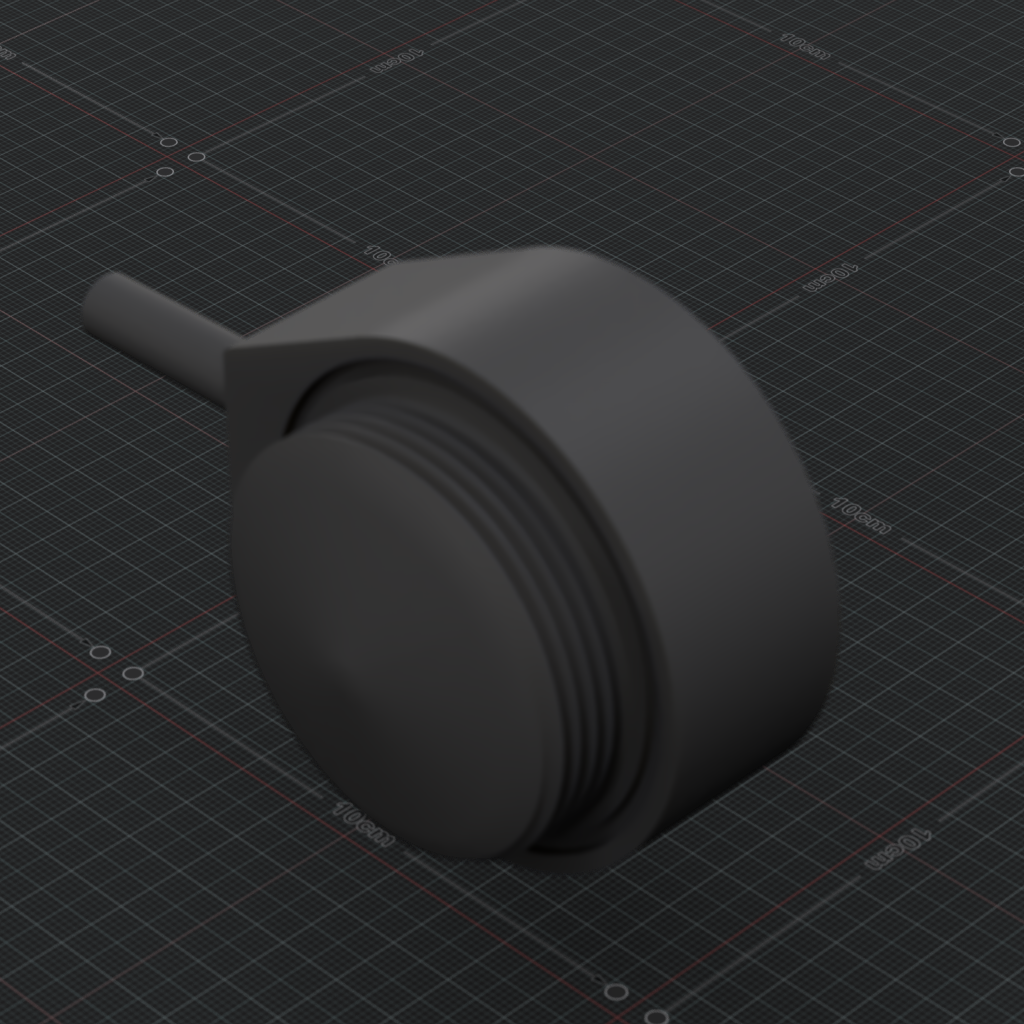
Radar level detection
Level measurement in a silo, tank, or pit
Distance measurement based on radar using a 4-20mA current loop (2-wire) requires very low energy consumption in combination with radar duty cycling. Including adaptive firmware for the measurement algorithm based on function.
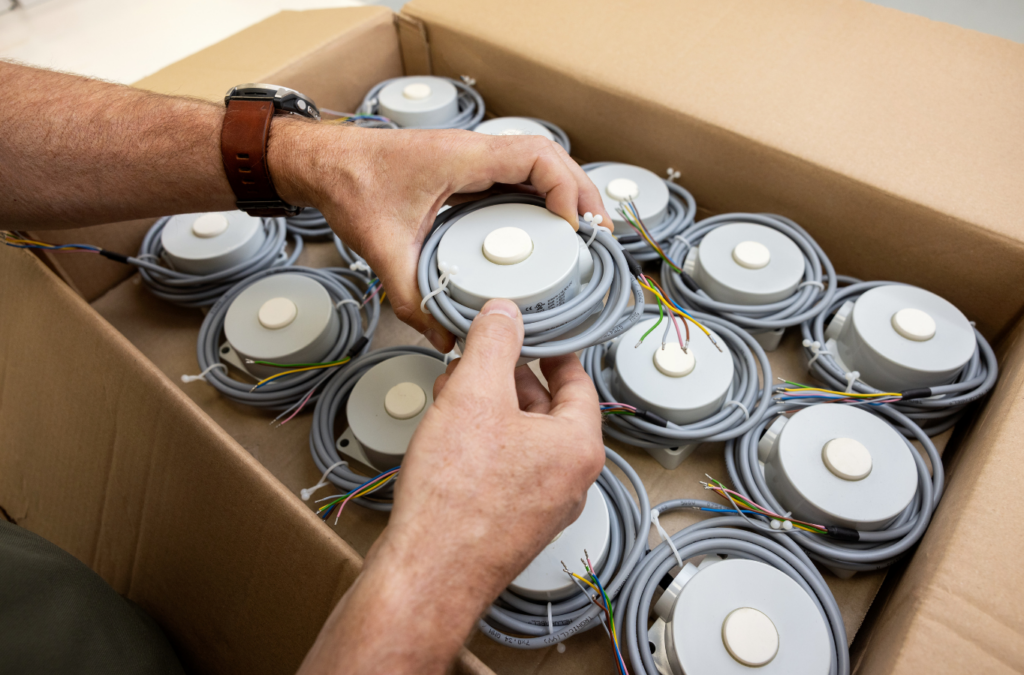
Wireless rotation detection
Rotation detection in a challenging environment
This fully autonomous tag is used on a rotating platform and utilizes energy harvesting. The tag measures presence of rotation and shares the information with the base station based on robust RF communication.
3D perception with lidar
360-degree 3D environment scan up to 256 lines
3D perception based on lidar technology. We advise on the lidar that best suits your measurement challenge. We then assist with validation and integration and provide training if needed.
Customer cases
Discover how Sentech develops and integrates sensors into various applications.
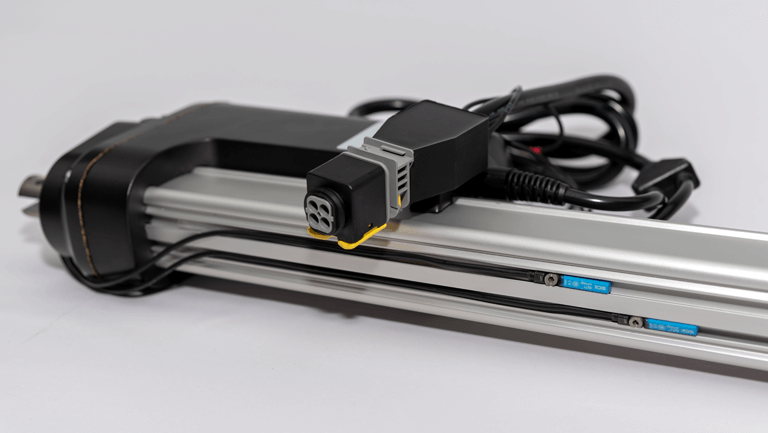

Magnetic sensor makes stroke length of linear actuator easily adjustable
Sentech developed a ‘magnetic sensor assembly’ that allows the end user to set the stroke length of the linear actuator themselves. Discover how we integrated this sensor solution together.
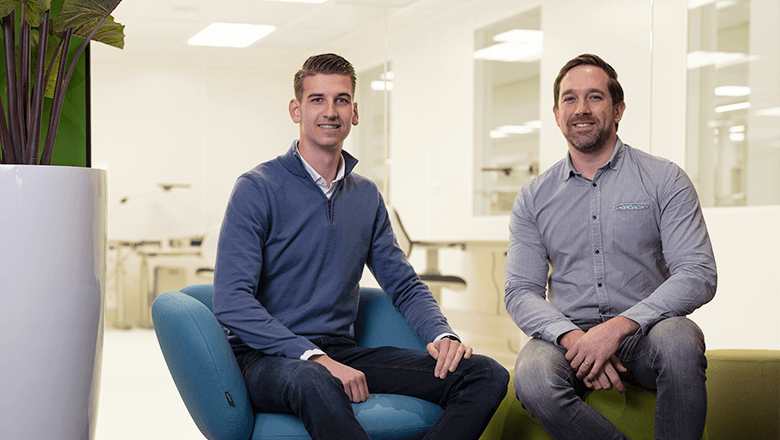
Micro-sure robotic arms rotate accurately through sensor knowledge
How are encoder systems for next-generation microsurgery robots being developed? Learn more about this project.
Our sensor integration process
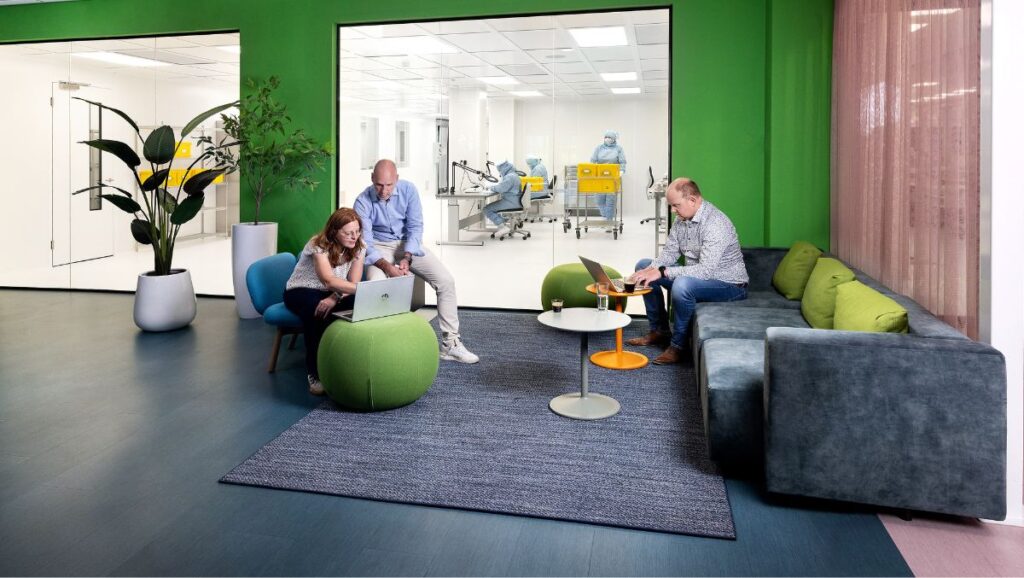
Exploration
We explore the application, define the measurement problem, and identify requirements, constraints, and success criteria to clarify the scope.
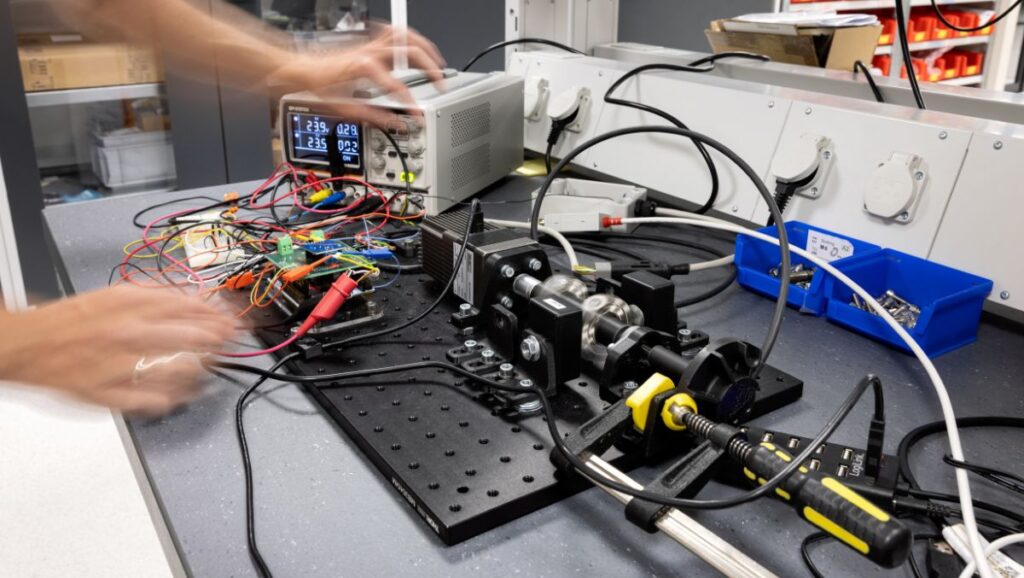
Feasibility & Offering
We assess technical feasibility, select potential sensors, and translate this into a technically sound proposal with a solution direction, risk analysis, and global cost indication.
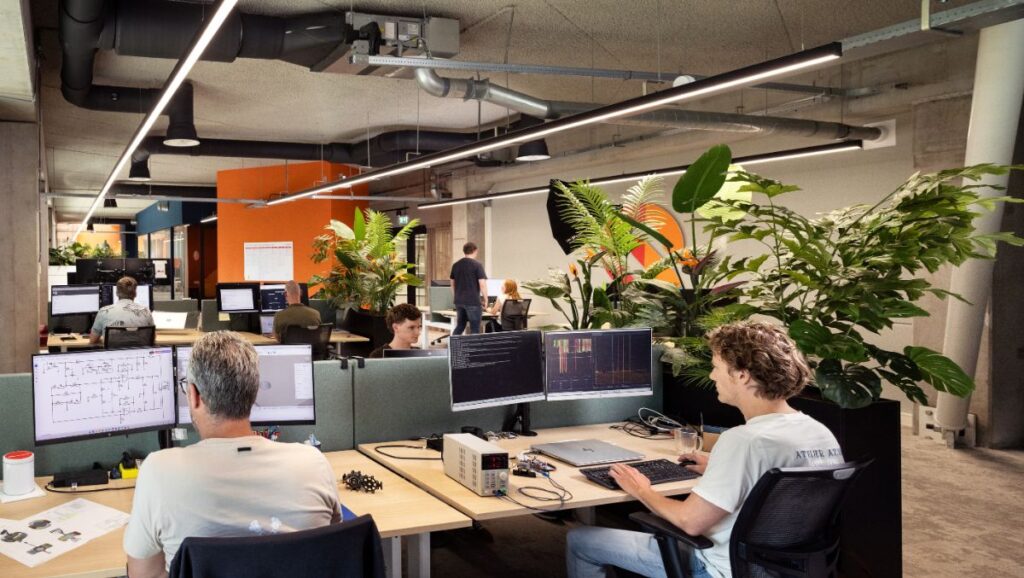
Product design
We design the sensor solution including mechanics, electronics, and signal processing, tailored to your system and performance requirements.
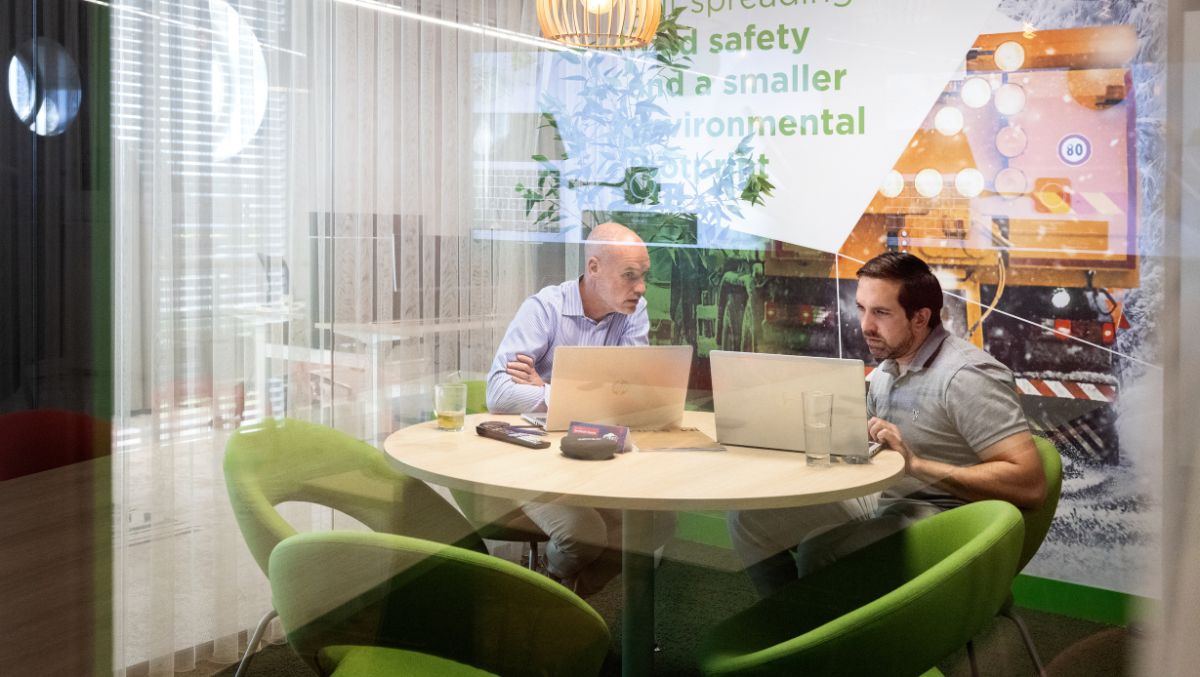
Review and quotation
We verify design choices and specifications with all stakeholders and translate this into scope, specifications, planning, and costs in a clear and verifiable quotation.
Process design
We define the production and testing process, including calibration, verification, and quality assurance, to ensure consistent and reproducible sensor performance.
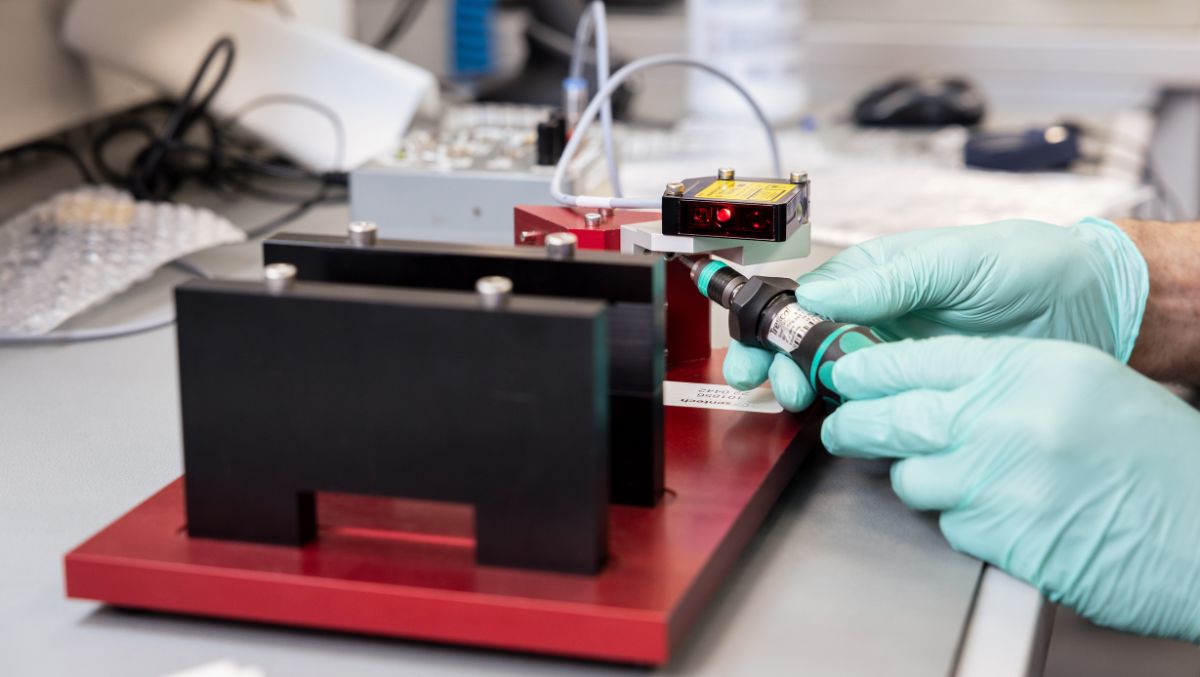
Production
We manufacture and supply the sensor solution according to specifications, with a focus on consistent quality, delivery reliability, and scalability.
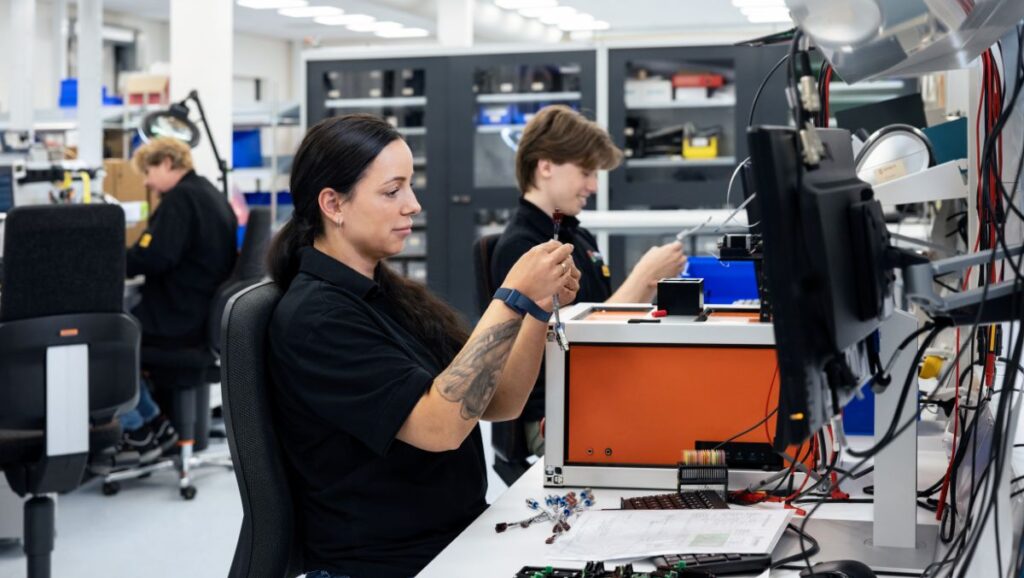
Post-project
We provide support for implementation, optimization, and lifecycle management, including maintenance, updates, and further development as needed.
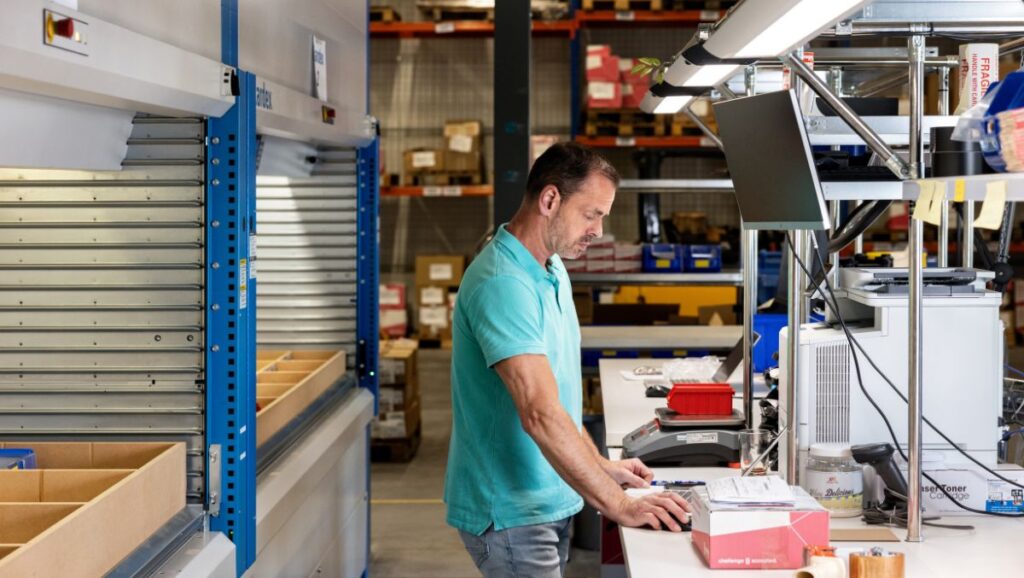
Specialist in length, position, angle, and inclination






Level and flow
Continuous measurement of level and flow for process control and material management.
Vibrations and acceleration
Vibration and acceleration detection for condition monitoring and dynamic analysis.
Pressure & temperature
Reliable measurement of pressure and temperature for stable and safe processes.
Force & Torque
Accurate measurement of force and torque for load and interaction control.
Complex sensor challenge?
We're happy to help you think it through.
- Talk to a sensor expert right away
Frequently asked questions
Frequently asked questions about sensor integration.
Do you have any other questions?
How does Sentech choose the best sensor technology?
Through our broad knowledge of various measurement technologies, we select and integrate the solution that best fits the performance requirements, environmental conditions, and system architecture.
How long does a sensor development process take?
A sensor development project typically takes between 2 and 12 months, depending on complexity, validation requirements, and integration.
How does Sentech achieve technological independence?
Many measurement tasks can be solved with multiple sensor technologies. However, each technology has specific strengths and weaknesses, depending on the application and environment. Therefore, we do not choose based on a single product, but based on the application. Through our broad portfolio, in which we have different measurement technologies, we make an independent choice for the best technology.
How does Sentech validate sensor performance?
We validate sensor performance by testing measurements within the context of the final application. In doing so, we not only look at datasheet specifications, but also at actual behavior under realistic conditions.
This includes, among other things:
- Tests for accuracy, repeatability, and drift
- Influence of environmental factors such as temperature, light, pollution, and vibration
- Verification of signal processing and system integration
Where necessary, we develop test setups or prototypes to identify risks early on. The result is a validated solution with predictable performance within your application.
Why shouldn't I do my sensor integration myself?
Sensor integration often seems simpler than it is, but in practice, the risk lies in the details: technology choice, environmental influences, signal interpretation, and system integration.
A wrong choice leads to instability, drift, erroneous measurements, or unexpected downtime, often only visible in a late stage.
Sentech reduces this risk through experience with multiple sensor technologies, structured validation, and proven integration into complex systems. This prevents iterations, shortens development time, and increases the chance of a first-time-right solution.
When do I involve Sentech?
Engage Sentech when standard sensors are no longer sufficient. We add value through independent technology selection, integration, and validation. Typically for projects with medium volumes (1–10,000 units) and high performance requirements.
What are concrete use cases?
Some examples:
- Position measurement in pick-and-place systems for submillimeter accuracy
- Object detection on agricultural machinery under variable light and weather conditions
- Level measurement in tanks for process control in industrial plants
- Obstacle detection for AGVs/robots in dynamic environments
- Force Measurement in Assembly Processes for Quality Assurance
These use cases demonstrate how sensor technology is applied to improve accuracy, reliability, and process control within specific applications.
Which sensor works in my situation?
To properly assess your situation, it's important to understand your application and the environmental conditions. We work with sensor specialists who can support you with this. Do you have a sensor-related question?, feel free to contact us.