Ultrasound is a great choice in many applications, but there are situations where radar offers real added value. Whether for distance measurements, object detection, or level determination, radar is reliable and versatile.
The technology works in almost all weather conditions, has a large measuring range, and consumes little energy. This makes radar a smart choice for mechanical engineers looking for sustainable and efficient sensor solutions. Below you can read why radar is increasingly being used in the agricultural sector.
When you want to measure under certain weather conditions and pollution
One of the biggest advantages of radar is its robustness in various weather conditions. Rain, snow, and fog have little impact on its performance. Dirt also has hardly any effect because radar signals have a high penetration power; they simply see through it. This means that such a sensor can be placed behind a protective cover, if necessary. For example, if a robot is equipped with a radar sensor to orient itself in a stable, a user can more easily wipe away accumulated dirt.
2. If you want to see through crops (or other objects)
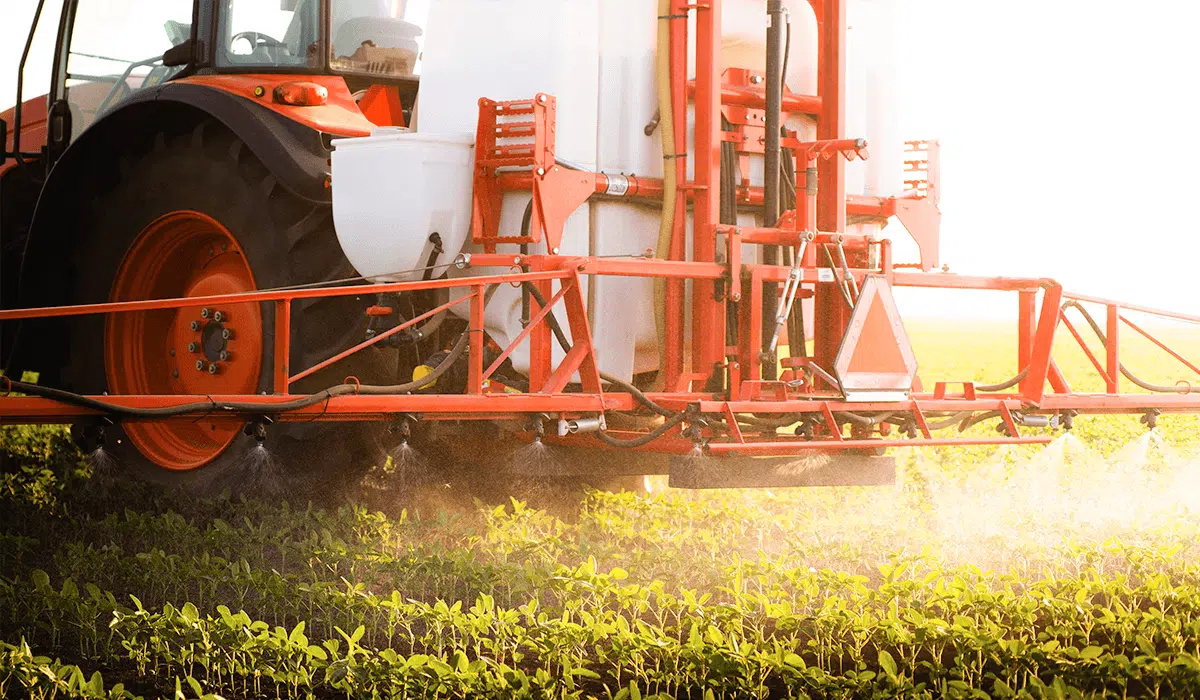
The penetrating power of radar offers significant advantages. For example, a radar sensor can measure through obstacles such as crops, making it suitable for measuring the distance to the ground, for instance. This is only possible with radar. An additional advantage in this case is that a radar sensor can also register speeds. This makes it possible to accurately monitor movements and anticipate them.
3. If you want to measure long distances
Radar has an enormously large range. Radar signals can easily cover kilometers. Everyone knows the radar systems with which, for example, airplanes or boats can be detected at great distances, but smaller radar solutions also cover large distances.
In addition, radar is suitable for measuring short distances. This has everything to do with the speed of radar signals: at the speed of light, the radar receives a reflected signal. It's so fast that the system has to react extremely quickly to track the signals. This means you have to compromise a bit on accuracy at very short distances. But with a precision of 2 to 3 millimeters, radar is often suitable even then.
4. If you consider longevity important
A radar sensor has no moving parts. Because of this, it is not susceptible to wear and tear and lasts a long time.
5. If you want a battery that lasts for years
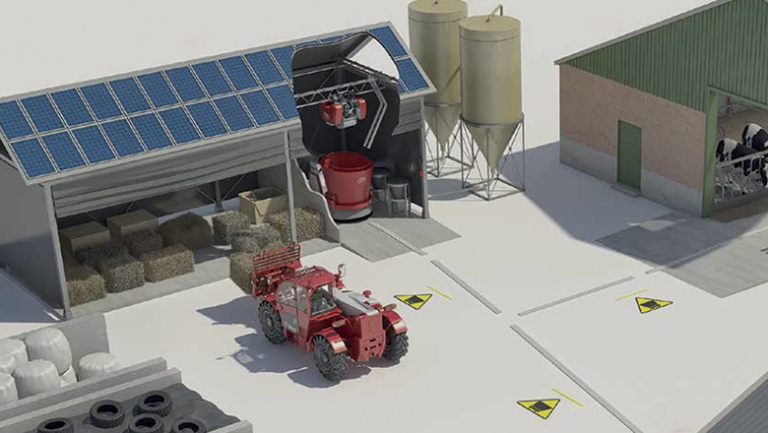
The absence of moving parts also leads to low power consumption. This means a battery-powered radar system in, for example, a feed silo can easily last ten years.
Integrate radar: where are you?
Radar offers many benefits, but its integration requires attention. Consider technical choices, sensor placement, and regulations you must comply with. Those who go through these steps thoroughly will get the most out of the technology.
Discover in this blog what to consider and how to smoothly implement radar in your agro-application. Read on and make your project a success.