Research by Rabobank Australia shows that three-quarters of Australian farmers are hesitant to use sensor technology. Rabobank calls these “barriers holding back the agricultural sector in Australia from investing.” This stands in stark contrast to Dutch farmers.
Sentech is an independent sensor supplier that contributes to precision agriculture and livestock farming with cost-effective sensor solutions.
Australia: unclear costs and benefits of sensor technology
The Rabobank study shows that 23% of Australian farmers use sensor technology. Rabobank analyst Wesley Lefroy even says: “Of those, fewer than 40% report that their profits have improved thanks to the sensors. For many non-users, the profitability of such an investment is unclear.”
According to Rob Pieter, account manager Agrotechnology at Sentech, Australian farmers underestimate the possibilities of sensor technology. “That's understandable. Because for any technology, if it's not applied correctly, it won't meet expectations. And I think that's what's happening in Australia,” Pieters explains.
Sensor integration in agricultural engineering enables precision agriculture.
Precision agriculture is widely applied and still developing in the Netherlands. Since 2015, a public-private research program called ‘On to Precision Agriculture 2.0’.
The program describes its goal as follows: “to conduct research on strategic themes within precision agriculture with more than 20 partners over the next four years, in order to accelerate its implementation and reap its benefits for growers, supply chains, and society. The partners within the research program are end-users, supplying companies, supply chain parties, and knowledge institutions.”
Dutch farmers can't do without sensors
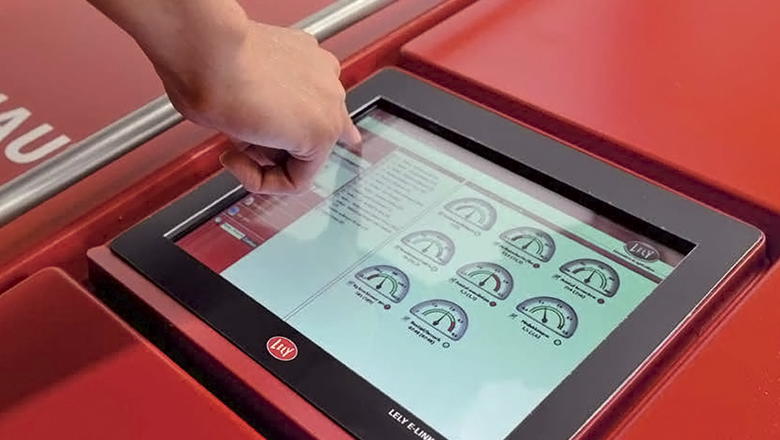
Pieters applauds this development. Pieters: “30 years ago, Dutch farmers scoffed at agrotechnology. But now, almost everything is automated or managed here, from milking cows to feeding them, and from fertilizing land to harvesting. This is only possible through the use of the right sensor for a specific purpose. They can’t do without it nowadays. It has improved their yields so much that they can compete well on high quality and yields.”
What are the benefits of using sensors in the agricultural sector?
Dutch farmers use sensors in agrotechnology for analysis and production purposes. The Precision Agriculture 2.0 program shows examples of sensor use for researching soil, climate, crops, diseases, pests, and weeds. Farmers then use the information for their cultivation planning, soil improvement, fertilization, and weed control.
Translating technical sensor specifications into customer benefits
The big advantage of precision agriculture with smart sensors is that farmers can increase crop yields and improve product quality.
Pieters: “You have to cater to the specific crops and the techniques that increase yield for those crops. It's important to translate technical specifications into benefits for the farmer. And perhaps manufacturers should offer calculation tools so farmers can determine if sensor technology is profitable for them.”
Livestock farming also benefits from sensor technology
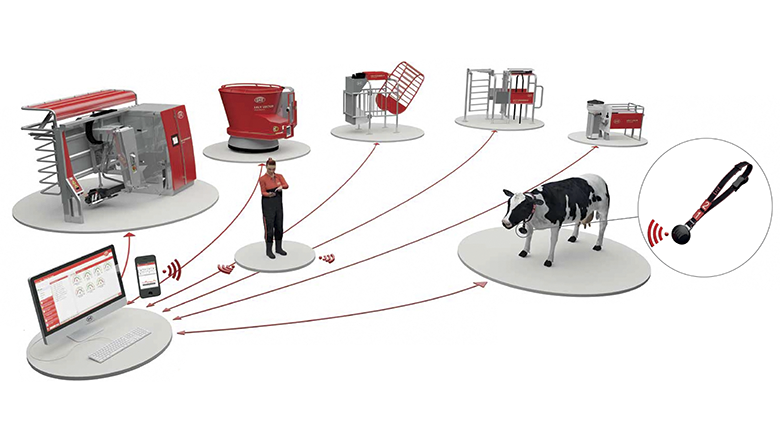
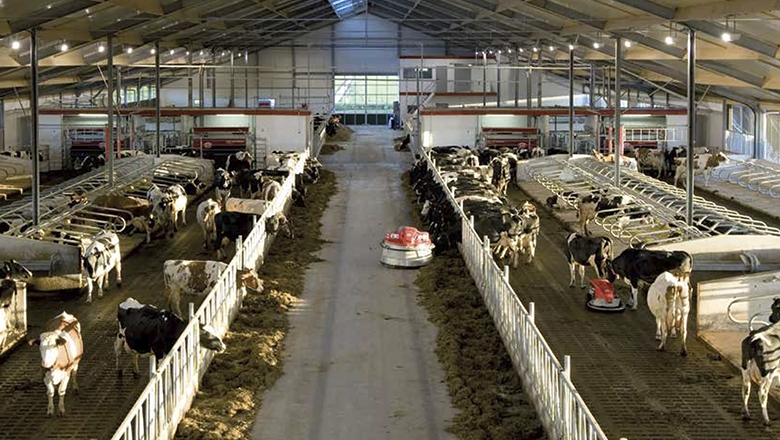
In another Rabobank publication, the Dutch bank describes the benefits of using sensors in livestock farming. According to the authors, sensor integration in farming contributes to productivity, cost reduction, and improved working conditions. Precision livestock farming leads not only to better results. It also ensures healthier animals, more sustainable operations, and more efficient production.
Independent sensor supplier
Sentech contributes to precision agriculture and livestock farming with custom sensor solutions. The sensor supplier operates independently of sensor manufacturers. According to Pieters, Sentech collaborates with manufacturers on innovations that further assist machinery manufacturers and farmers.
Pieters: “It is up to developers, like Sentech, to help manufacturers of Agrotechnical products with sensor knowledge for their sensor selection. Furthermore, we provide a business case for every sensor development. This way, we help manufacturers inform farmers more clearly about the costs and benefits of sensor technology.”
Convinced of returns
Pieters is convinced that Australian farmers will also increasingly embrace sensor technology. It turns out that it can significantly help farmers in their agrotechnology and can indeed yield returns.
Hall sensors in the Agrifac field sprayers ensure more yield of the farmland.