

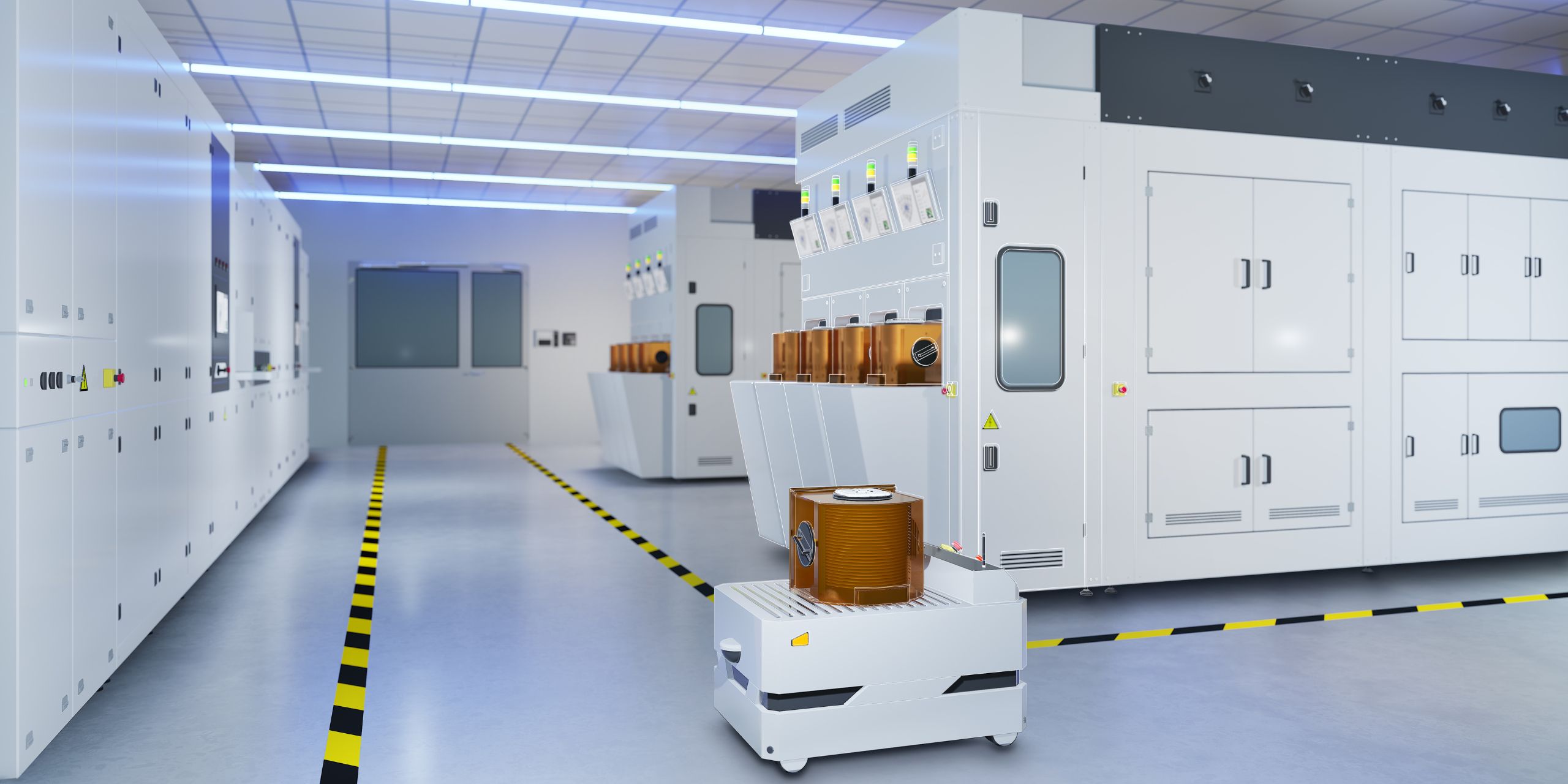
Semiconductor sensors for high-precision measurements
Sensors ensure sub-micron precision and stability in critical processes.
Maximum precision, minimal variation.
As an OEM in semicon, you work with extremely small tolerances and high volumes. Every deviation in position, temperature, or motion directly translates to yield loss or instability. That's why you need sensors that are accurate, perform consistently in your process, and can be integrated without additional complexity.
Process-oriented validation
We evaluate sensing solutions based on their impact on yield, accuracy, and process stability within the application, not just on the values listed in the datasheet.
Stable process integration
We ensure that sensing solutions integrate seamlessly with the architecture, without negatively impacting throughput, cleanroom performance, or system stability.
High reproducibility
We ensure stable and reproducible measurement results, thereby minimizing process variation and keeping yield predictable.
Cleanroom compatible & vacuum ready
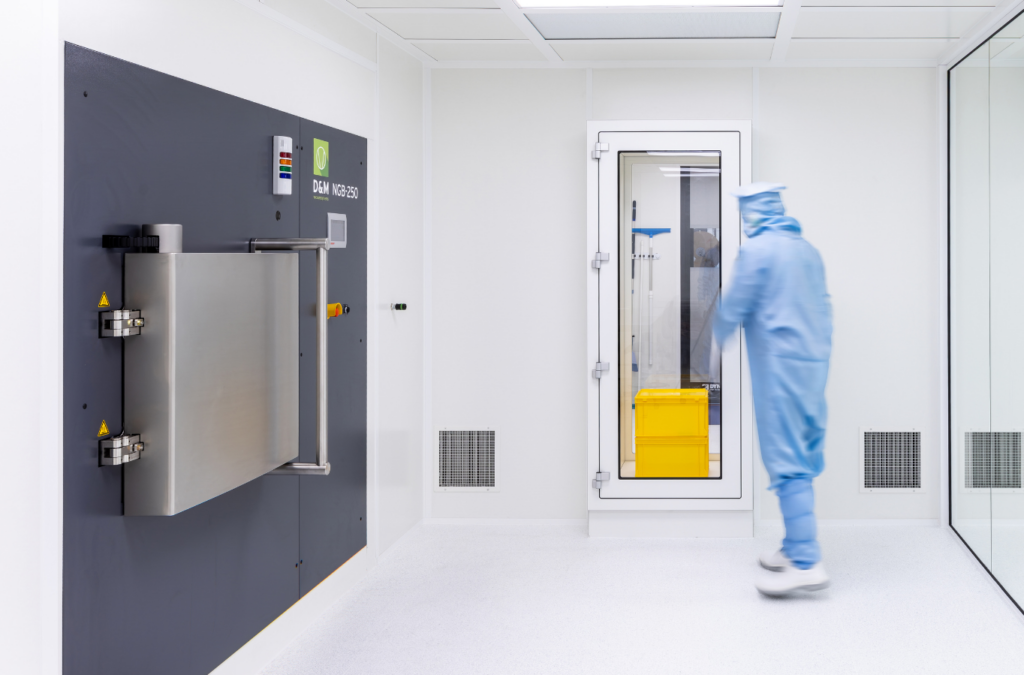
Sensor selection suitable for ultra-clean environments, without contamination or performance loss. Our cleanroom is ISO class 6 certified and has AMC filtration, and we have a bake-out oven.
Submicron at mK accuracy
Sensor solutions that deliver consistent measurements within nanometer and sub-micron tolerances for position and mK stability for temperature: essential for yield and process stability.
Sectors within Semicon
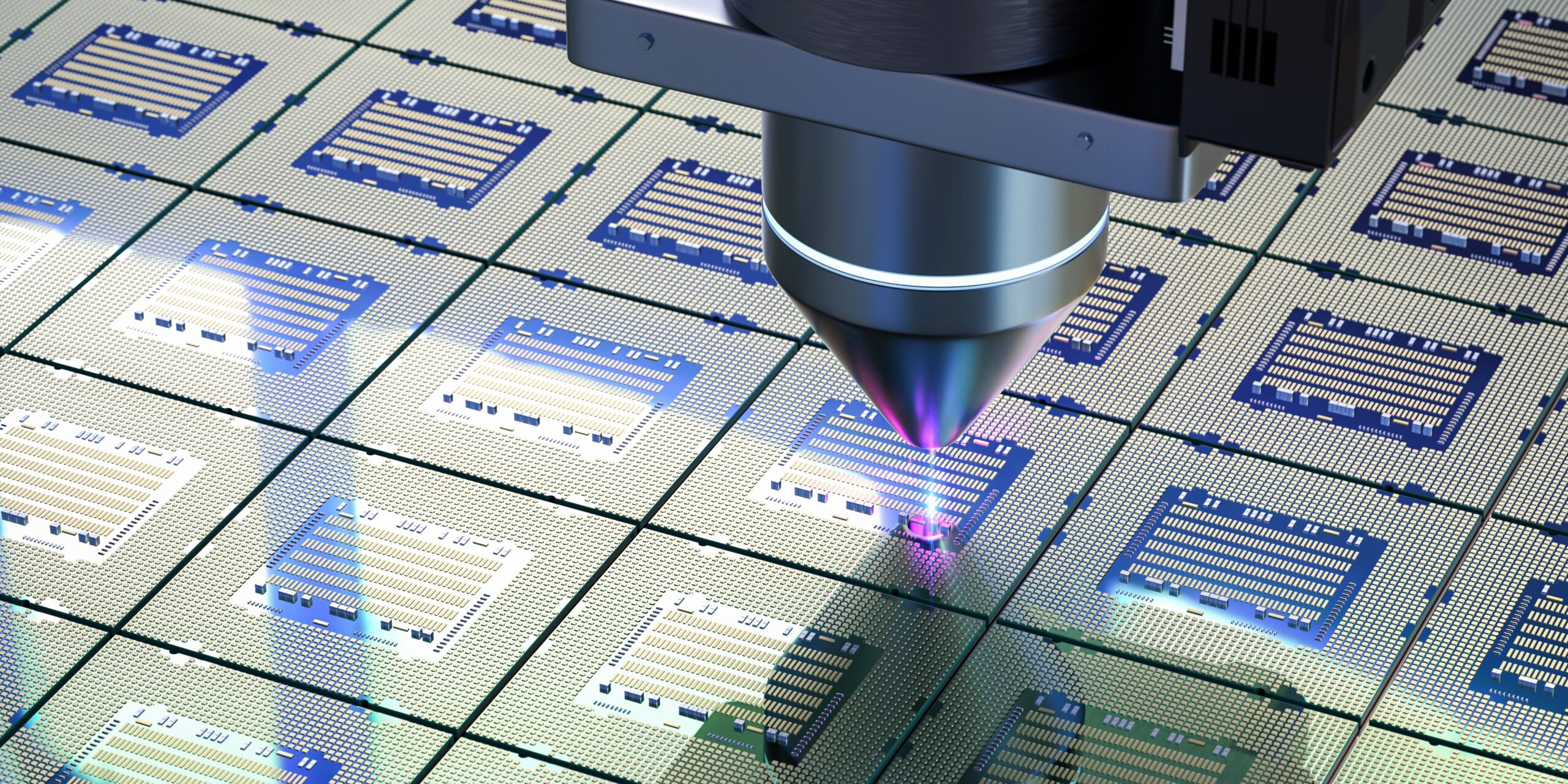
Inspection & Metrology Systems
Accurate measurements for process control
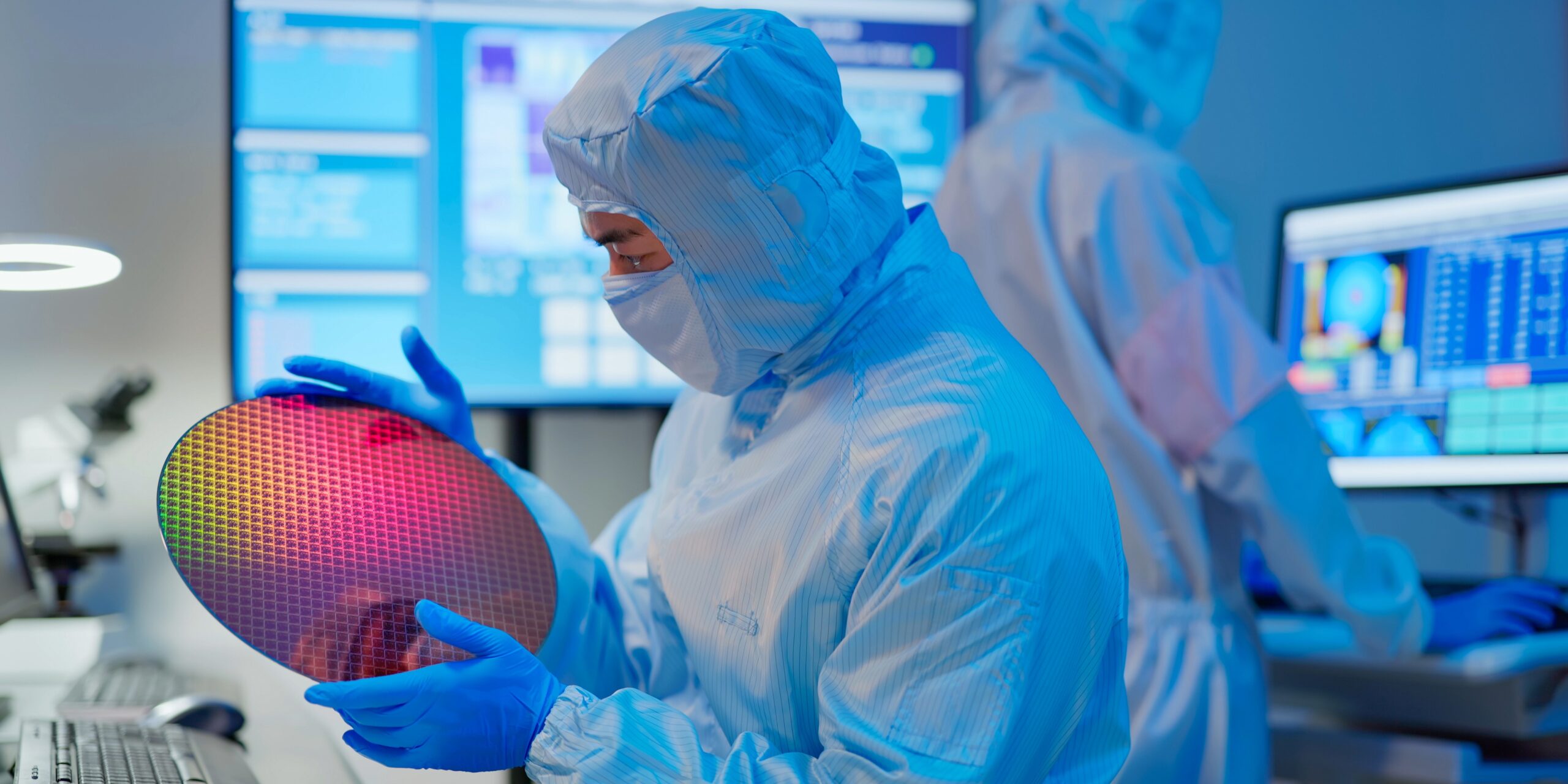
Wafer Processing Equipment
Stable processes for maximum yield
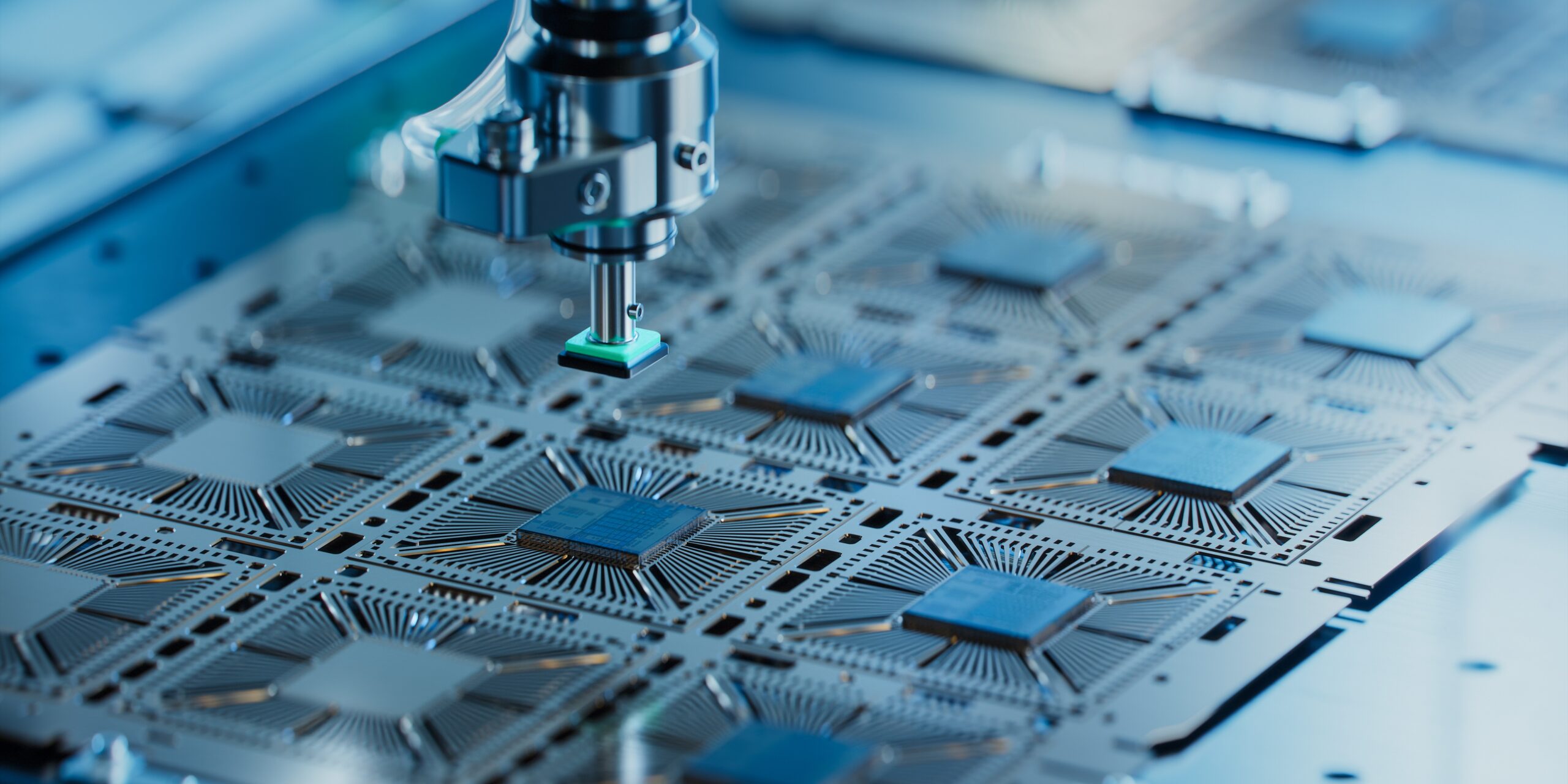
Back-end systems
Critical building blocks for high-end systems
Sensor solutions
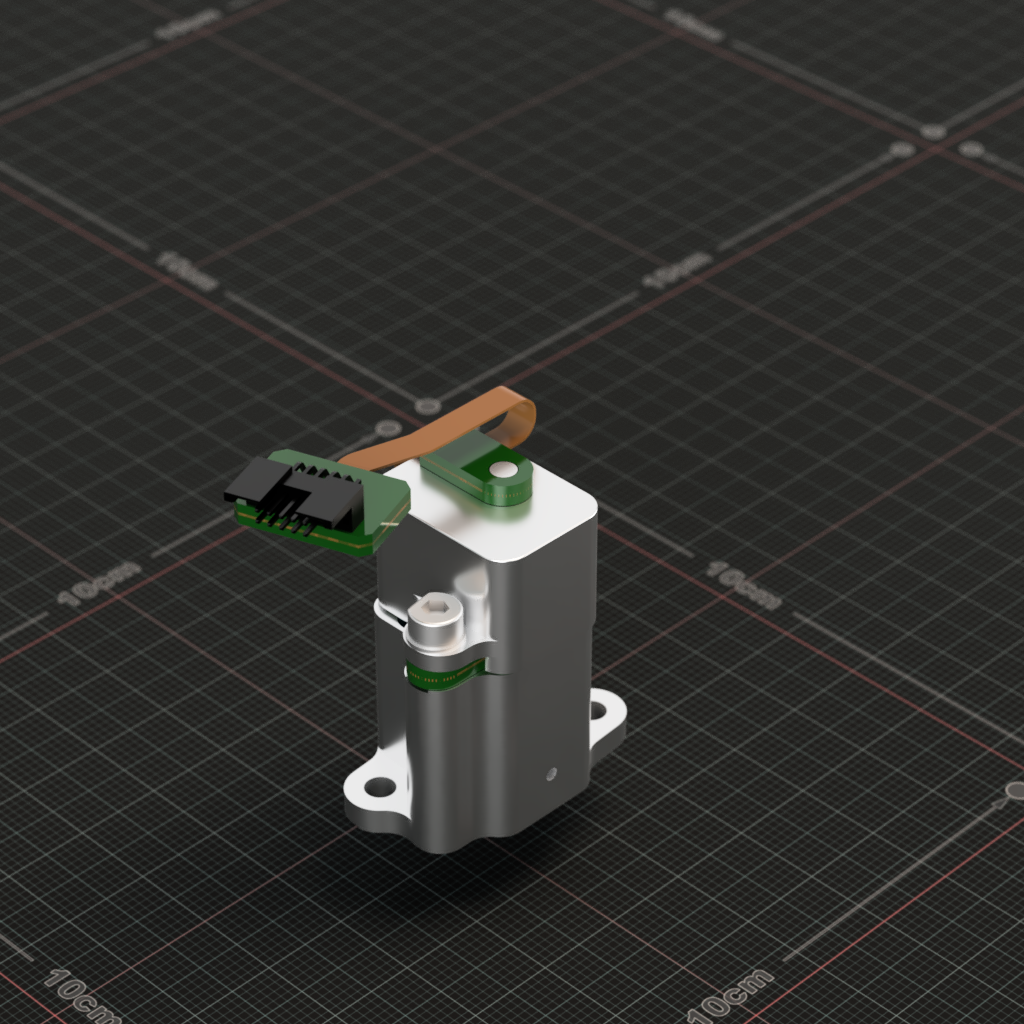
Pressure sensor
Pressure measurement in a high vacuum and limited volume
Integration of a commercially available pressure sensor into an airtight metal housing suitable for vacuum applications. Compact design through the use of flexible foil PCB and the application of a micro connector.
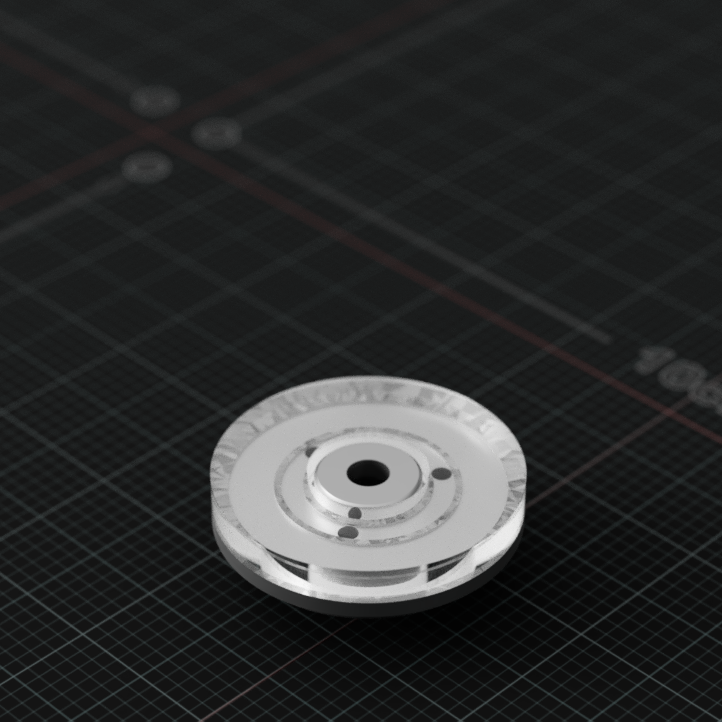
Align glass scales for encoder
Accurate angle measurement with an optical sensor
Mechanical and electrical integration of an optical encoder including mounting and aligning the glass scale to the hub using glass beads.
Electrical integration of optical encoder
Accurate angle measurement with an optical sensor
A sensor chip alone does not make a solution. By integrating the encoder chip onto our own PCB, we create a measurement solution that is optimally tailored to the available space in the application, reliability, and manufacturability.
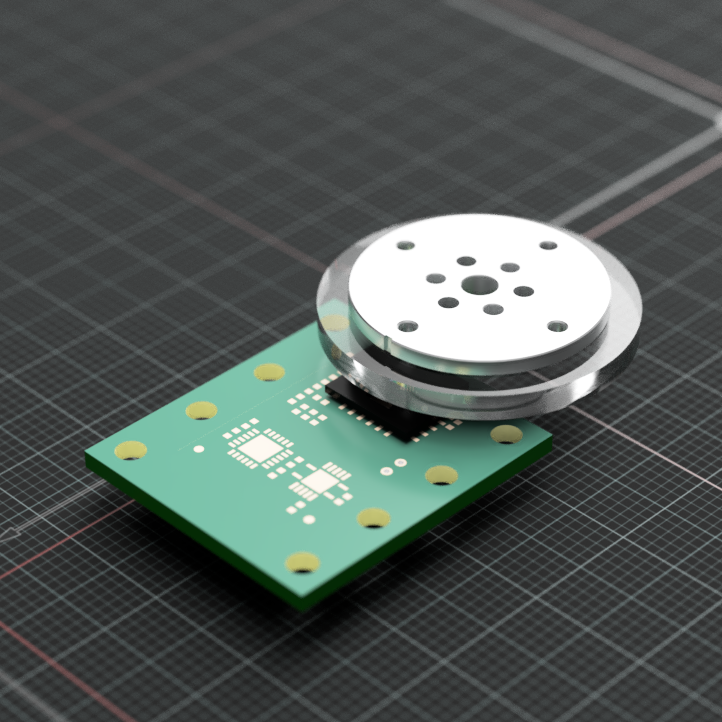
Complete integration of the encoder into the application
up to 12.5nm with 22 bit resolution with an optical encoder
An encoder only delivers maximum performance when mechanics, scale, and electronics work together perfectly. We developed an integrated measuring solution that combines accuracy, reliability, and simple integration.
Customer cases
Discover how Sentech develops and integrates sensors into various applications.
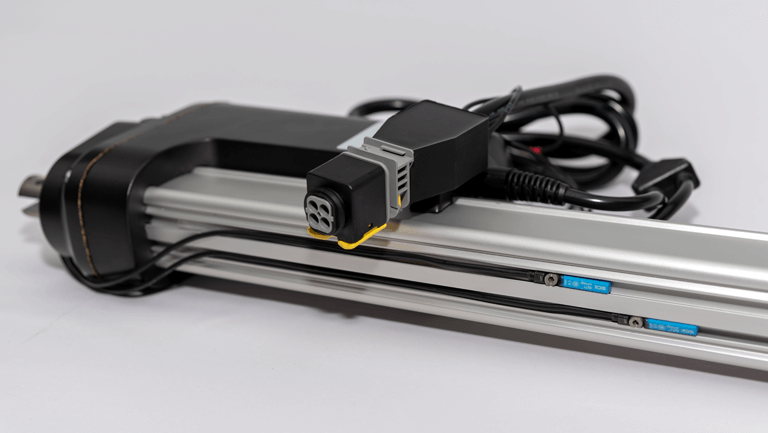

Magnetic sensor makes stroke length of linear actuator easily adjustable
Sentech developed a ‘magnetic sensor assembly’ that allows the end user to set the stroke length of the linear actuator themselves. Discover how we integrated this sensor solution together.


Micro-sure robotic arms rotate accurately through sensor knowledge
How are encoder systems for next-generation microsurgery robots being developed? Learn more about this project.
Our sensor integration process
Exploration
We explore the application, define the measurement problem, and identify requirements, constraints, and success criteria to clarify the scope.
Feasibility & Offering
We assess technical feasibility, select potential sensors, and translate this into a technically sound proposal with a solution direction, risk analysis, and global cost indication.
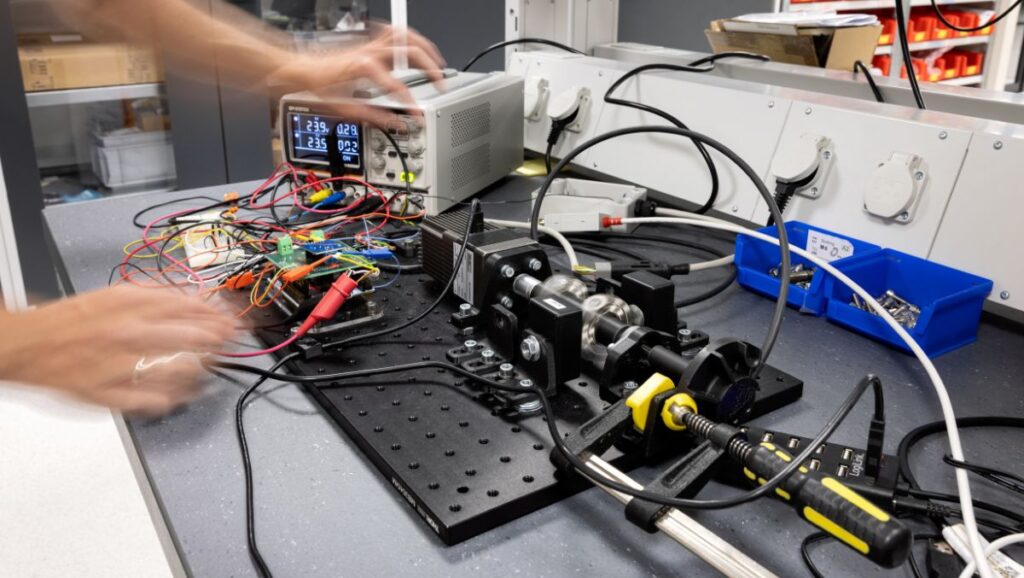
Product design
We design the sensor solution including mechanics, electronics, and signal processing, tailored to your system and performance requirements.
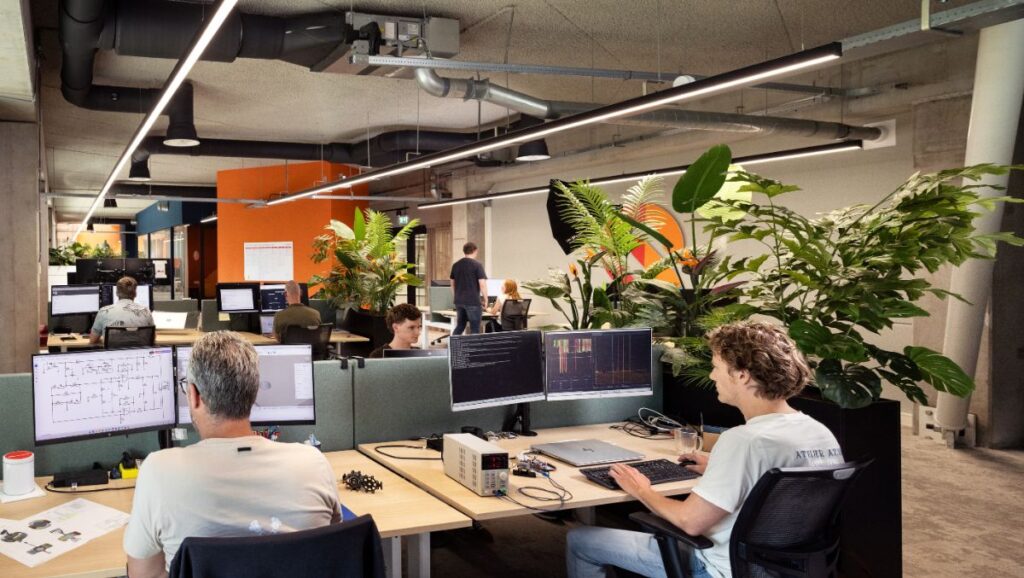
Review and quotation
We verify design choices and specifications with all stakeholders and translate this into scope, specifications, planning, and costs in a clear and verifiable quotation.

Process design
We define the production and testing process, including calibration, verification, and quality assurance, to ensure consistent and reproducible sensor performance.
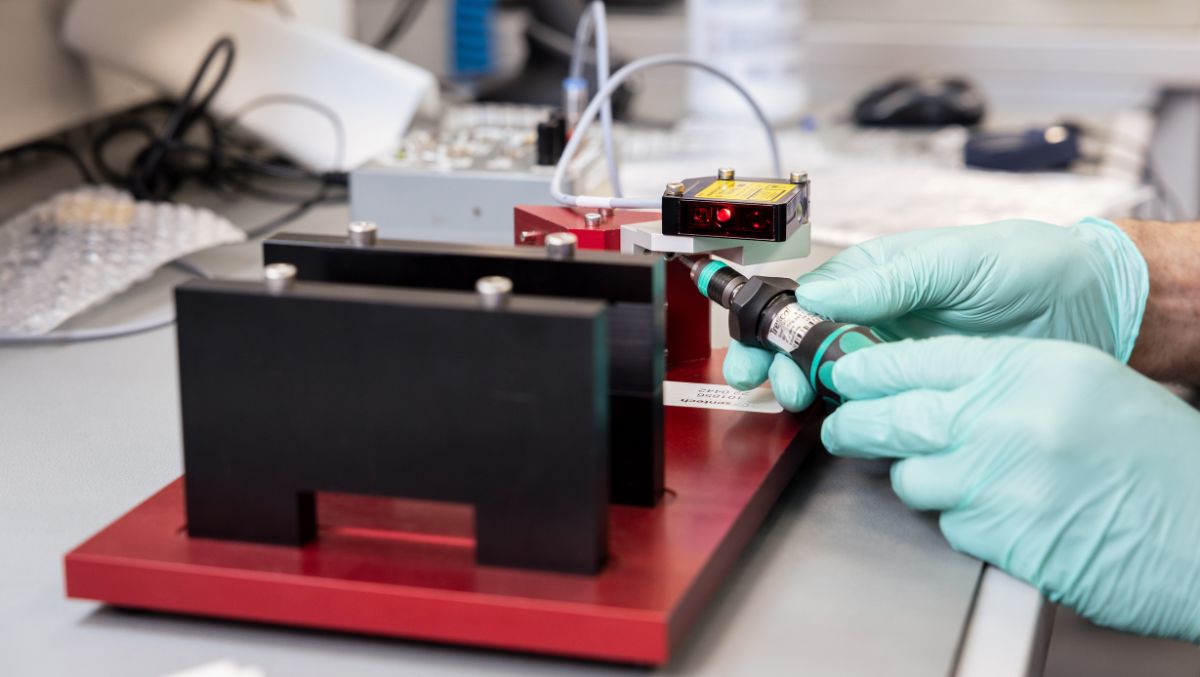
Production
We manufacture and supply the sensor solution according to specifications, with a focus on consistent quality, delivery reliability, and scalability.
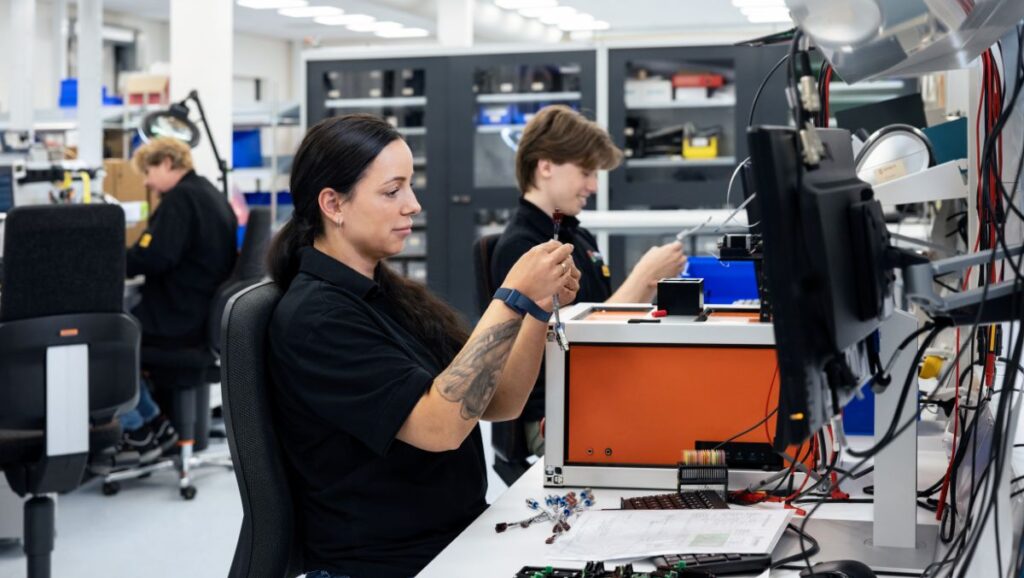
Post-project
We provide support for implementation, optimization, and lifecycle management, including maintenance, updates, and further development as needed.
Specialist in length, position, angle, and inclination






Level and flow
Continuous measurement of level and flow for process control and material management.
Vibrations and acceleration
Vibration and acceleration detection for condition monitoring and dynamic analysis.
Pressure & temperature
Reliable measurement of pressure and temperature for stable and safe processes.
Force & Torque
Accurate measurement of force and torque for load and interaction control.

Complex sensor challenge?
We're happy to help you think it through.
- Speak directly with our sensor expert
Frequently asked questions
Frequently asked questions about sensor integration.
Do you have any other questions?
How does Sentech choose the best sensor technology?
Through our broad knowledge of various measurement technologies, we select and integrate the solution that best fits the performance requirements, environmental conditions, and system architecture.
How long does a sensor development process take?
A sensor development project typically takes between 2 and 12 months, depending on complexity, validation requirements, and integration.
How does Sentech achieve technological independence?
Many measurement tasks can be solved with multiple sensor technologies. However, each technology has specific strengths and weaknesses, depending on the application and environment. Therefore, we do not choose based on a single product, but based on the application. Through our broad portfolio, in which we have different measurement technologies, we make an independent choice for the best technology.
How does Sentech validate sensor performance?
We validate sensor performance by testing measurements within the context of the final application. In doing so, we not only look at datasheet specifications, but also at actual behavior under realistic conditions.
This includes, among other things:
- Tests for accuracy, repeatability, and drift
- Influence of environmental factors such as temperature, light, pollution, and vibration
- Verification of signal processing and system integration
Where necessary, we develop test setups or prototypes to identify risks early on. The result is a validated solution with predictable performance within your application.
Why shouldn't I do my sensor integration myself?
Sensor integration often seems simpler than it is, but in practice, the risk lies in the details: technology choice, environmental influences, signal interpretation, and system integration.
A wrong choice leads to instability, drift, erroneous measurements, or unexpected downtime, often only visible in a late stage.
Sentech reduces this risk through experience with multiple sensor technologies, structured validation, and proven integration into complex systems. This prevents iterations, shortens development time, and increases the chance of a first-time-right solution.
When do I involve Sentech?
Engage Sentech when standard sensors are no longer sufficient. We add value through independent technology selection, integration, and validation. Typically for projects with medium volumes (1–10,000 units) and high performance requirements.
What are concrete use cases?
Some examples:
- Position measurement in pick-and-place systems for submillimeter accuracy
- Object detection on agricultural machinery under variable light and weather conditions
- Level measurement in tanks for process control in industrial plants
- Obstacle detection for AGVs/robots in dynamic environments
- Force Measurement in Assembly Processes for Quality Assurance
These use cases demonstrate how sensor technology is applied to improve accuracy, reliability, and process control within specific applications.
Which sensor works in my situation?
To properly assess your situation, it's important to understand your application and the environmental conditions. We work with sensor specialists who can support you with this. Do you have a sensor-related question?, feel free to contact us.